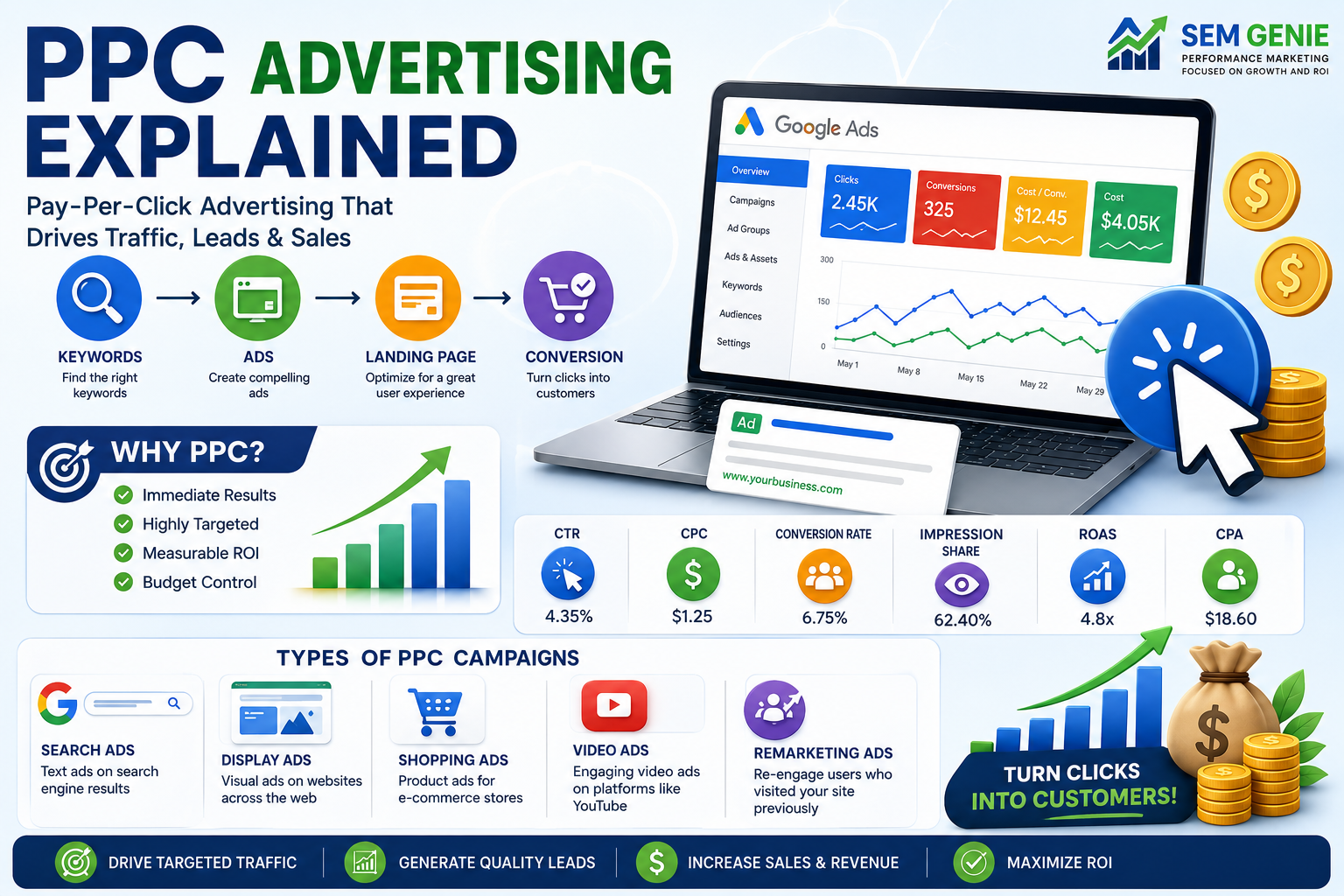
🚀 What Is PPC (Pay-Per-Click) Advertising?
Pay-Per-Click (PPC) is one of the most effective digital marketing strategies for driving targeted traffic, generating leads, and increasing sales online.
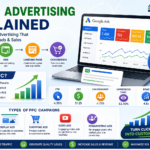
PPC is an online advertising model where advertisers pay a fee each time someone clicks on their advertisement. Instead of earning website visits organically through SEO, businesses can instantly place their ads in front of potential customers actively searching for products or services.
Popular PPC platforms include:
- Google Ads
- Microsoft Ads (Bing Ads)
- Facebook Ads
- Instagram Ads
- LinkedIn Ads
- YouTube Ads
When managed correctly, PPC advertising can deliver highly targeted traffic and measurable business results.
How Does PPC Advertising Work?
PPC advertising works through an auction-based system.
Advertisers select keywords related to their products or services and bid on those keywords. When users search for those terms, the advertising platform determines which ads appear based on factors such as:
- Bid amount
- Ad relevance
- Quality Score
- Landing page experience
- Expected click-through rate
The higher the relevance and quality of your campaign, the better your chances of achieving strong results at a lower cost.
Key Elements of PPC Campaigns
🔑 Keywords
Keywords are the foundation of PPC advertising.
They help determine when and where your ads appear.
Common keyword match types include:
- Broad Match
- Phrase Match
- Exact Match
- Negative Keywords
Selecting the right keywords helps ensure your ads reach the most relevant audience.
🏆 Ad Auctions
Every search triggers an ad auction.
Advertising platforms evaluate factors such as:
- Bid amount
- Ad quality
- Expected performance
This determines which ads appear and their position on the search results page.
✍️ Ad Copy and Creative
Strong ad copy can significantly improve campaign performance.
Effective ads should:
- Address customer needs
- Highlight unique selling points
- Include compelling calls-to-action
- Match user search intent
For social media advertising, creative assets such as images and videos play a major role in campaign success.
🎯 Landing Page Experience
A click is only valuable if it leads to a conversion.
An optimized landing page should provide:
- Relevant content
- Fast load times
- Mobile-friendly design
- Clear calls-to-action
A better landing page often improves conversion rates and lowers advertising costs.
Important PPC Metrics
Successful PPC campaigns rely on data and performance analysis.
📊 Click-Through Rate (CTR)
Measures the percentage of users who click your ad after seeing it.
💰 Cost Per Click (CPC)
The average amount paid for each click.
🎯 Conversion Rate
The percentage of visitors who complete a desired action.
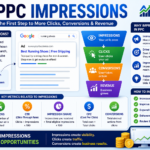
📈 Impression Share
The percentage of available impressions your ads receive.
💵 Return on Ad Spend (ROAS)
Measures revenue generated compared to advertising costs.
📉 Cost Per Acquisition (CPA)
Shows how much it costs to acquire a lead or customer.
Types of PPC Campaigns
🔍 Search Ads
Text-based ads displayed on search engine results pages.
Best for:
- Lead generation
- Service businesses
- High-intent searches
🖼️ Display Ads
Visual banner ads shown across websites and partner networks.
Best for:
- Brand awareness
- Remarketing
- Audience expansion
🛒 Shopping Ads
Product-focused ads used by ecommerce businesses.
Best for:
- Online retailers
- Product sales
- Google Shopping campaigns
🎥 Video Ads
Video-based advertising on platforms such as YouTube.
Best for:
- Brand awareness
- Product demonstrations
- Customer engagement
🔄 Remarketing Ads
Ads shown to users who have previously visited your website.
Best for:
- Increasing conversions
- Recovering abandoned visitors
- Improving ROI
Benefits of PPC Advertising
⚡ Immediate Results
Unlike SEO, PPC can start generating traffic almost immediately.
🎯 Highly Targeted Advertising
Reach users based on:
- Keywords
- Location
- Device
- Interests
- Demographics
📈 Measurable Performance
Every click, conversion, and sale can be tracked and analyzed.
💰 Budget Control
Set daily budgets, bidding strategies, and spending limits that fit your business goals.
Challenges of PPC Advertising
💸 Rising Costs
Competitive industries often experience higher CPCs.
🏁 Increased Competition
More advertisers can drive up bidding costs.
🔧 Continuous Optimization
Successful PPC campaigns require ongoing testing, monitoring, and optimization.
Without proper management, advertising budgets can be wasted quickly.
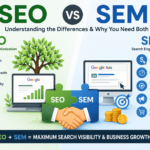
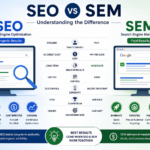
PPC vs SEO
Many businesses compare PPC and SEO, but the most successful digital marketing strategies use both.
SEO helps build long-term organic visibility.
PPC provides immediate traffic and faster insights.
Together, they create a powerful marketing strategy that supports both short-term and long-term growth.
Final Thoughts
PPC advertising is one of the fastest ways to attract qualified traffic, generate leads, and grow your business online.
When combined with strong landing pages, accurate conversion tracking, and ongoing optimization, PPC can become one of the highest-performing marketing channels available.
Whether you’re using Google Ads, Microsoft Ads, Meta Ads, or LinkedIn Ads, success comes from focusing on audience targeting, conversion optimization, and profitability—not just clicks